Wandkunst & Gemälde
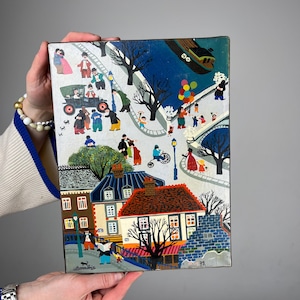
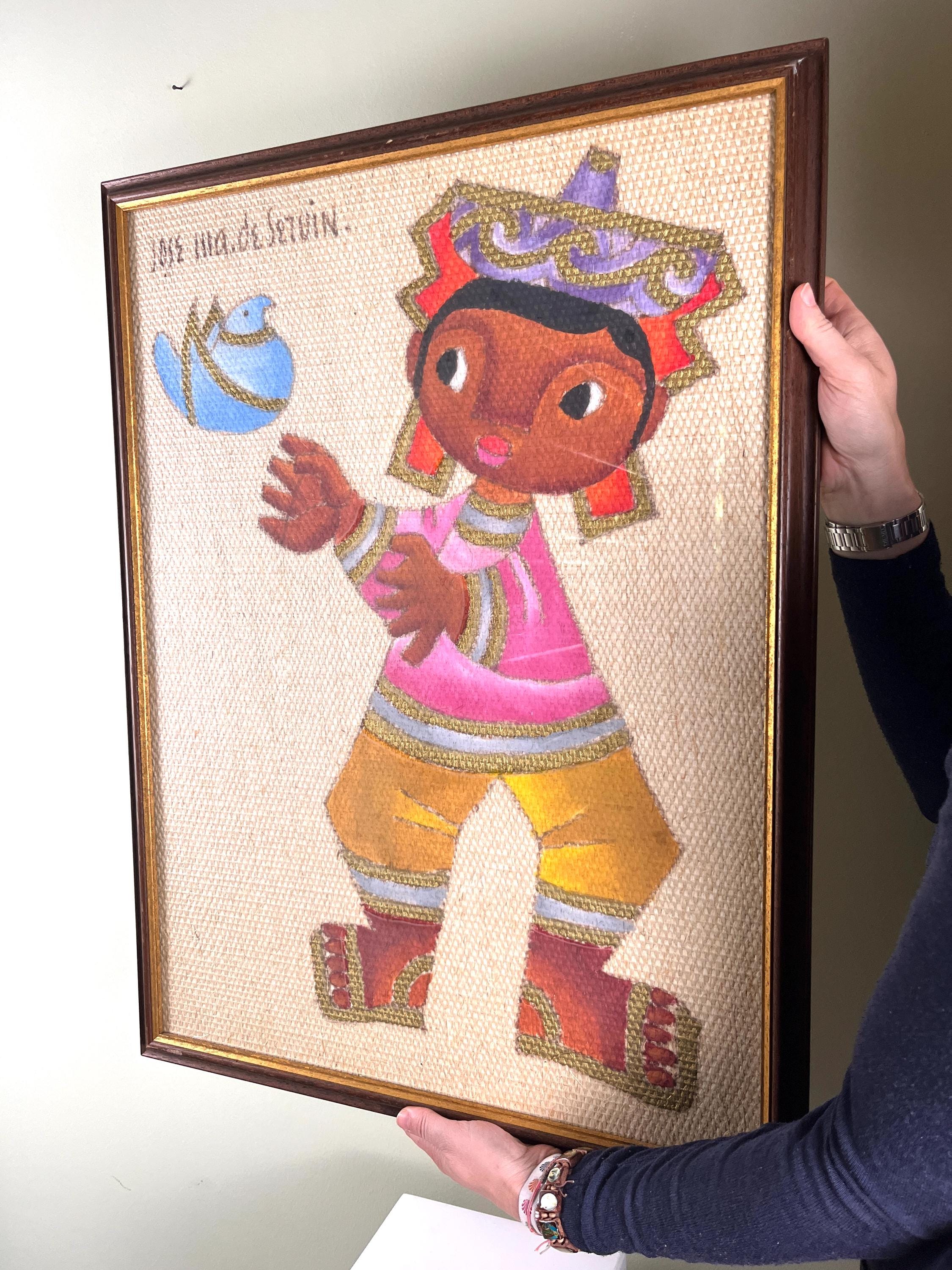
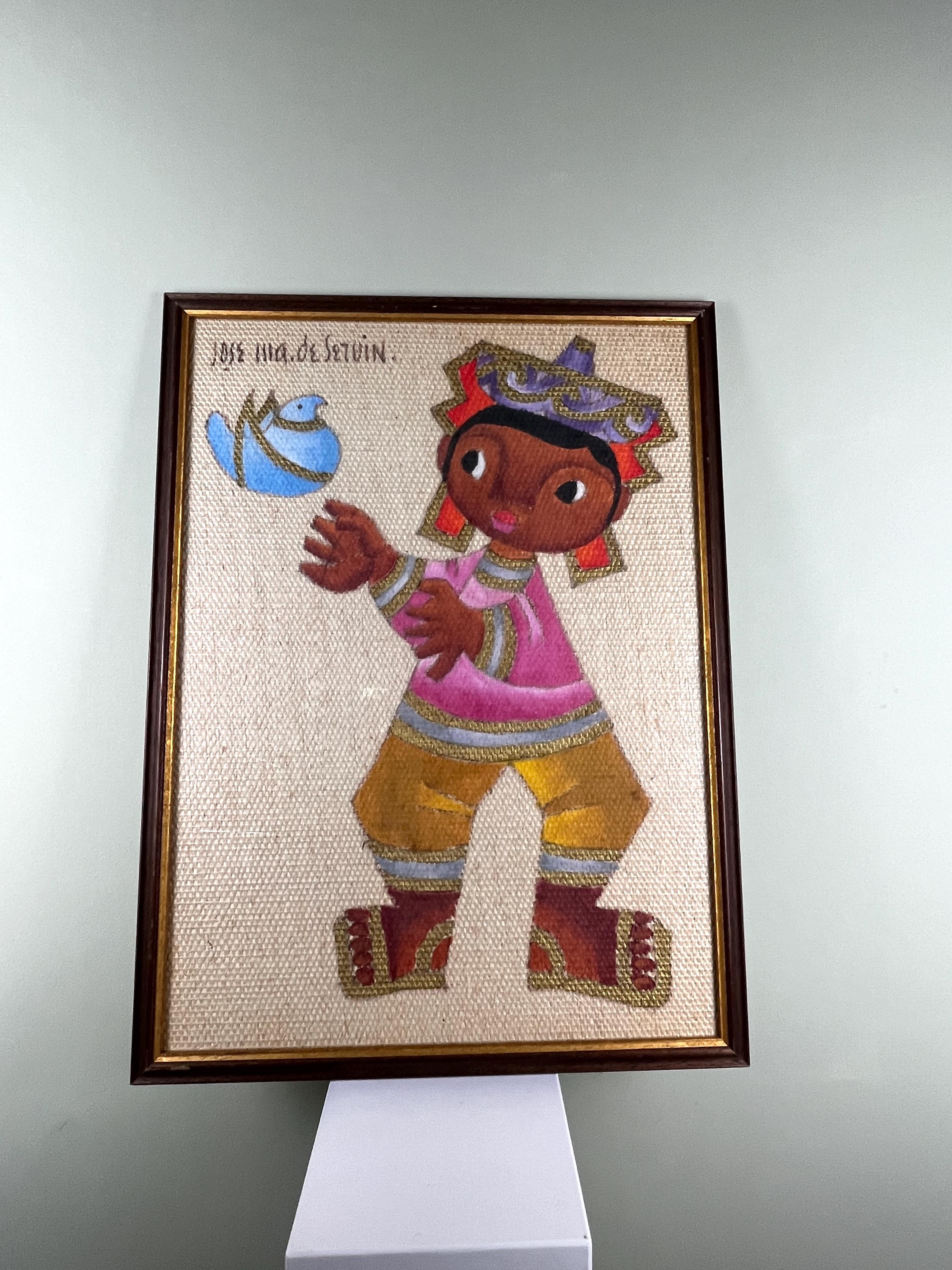
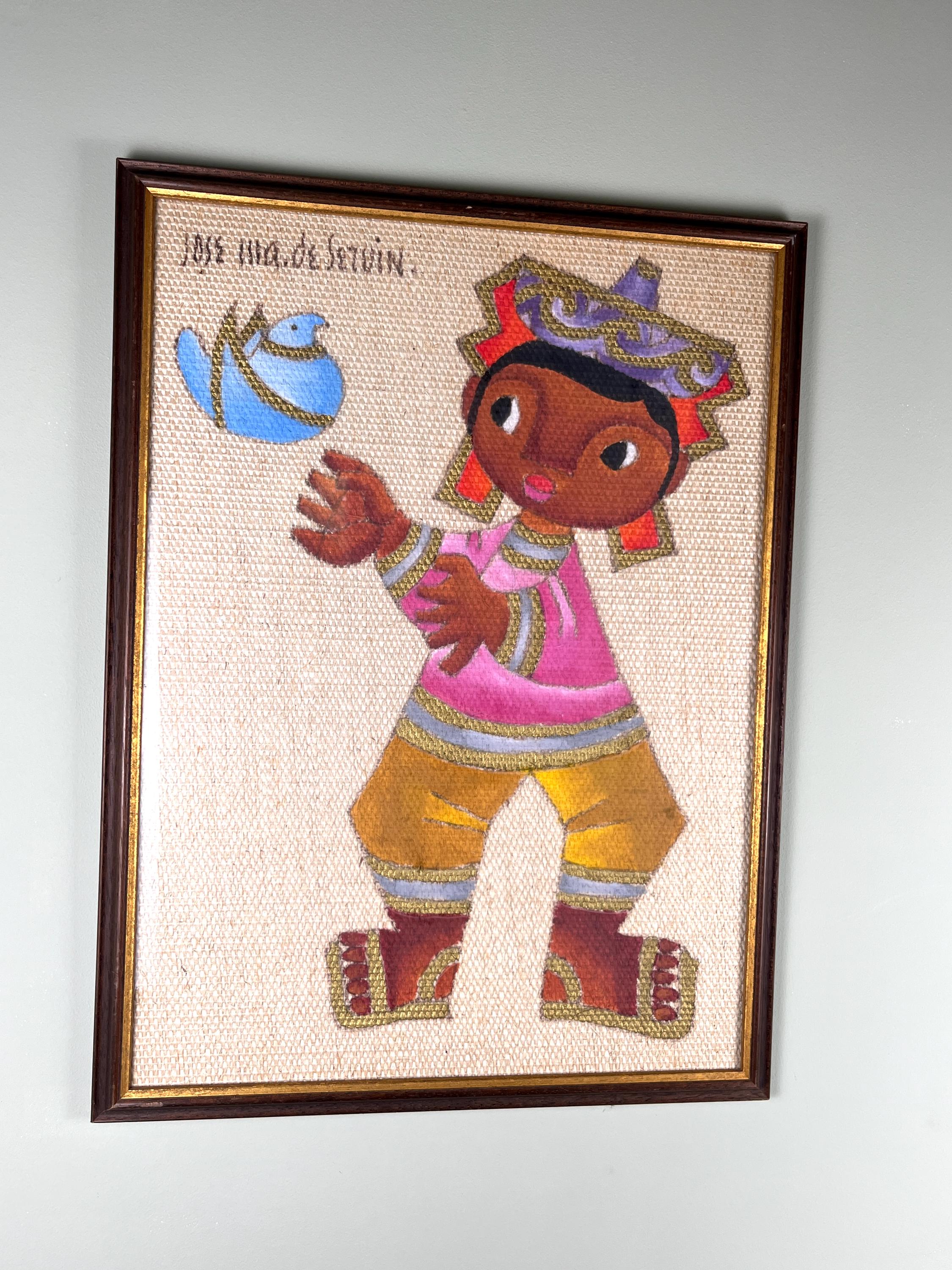
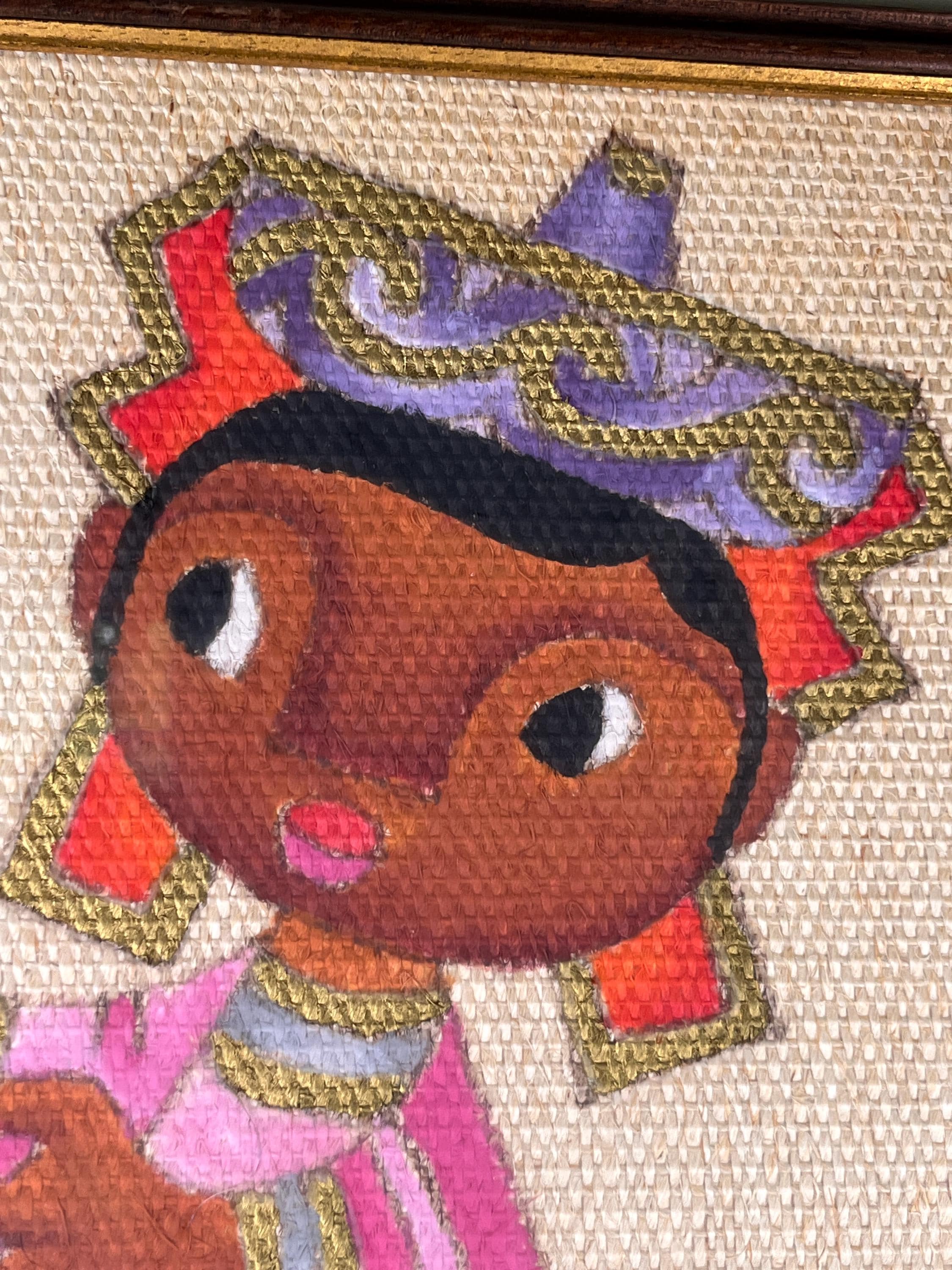
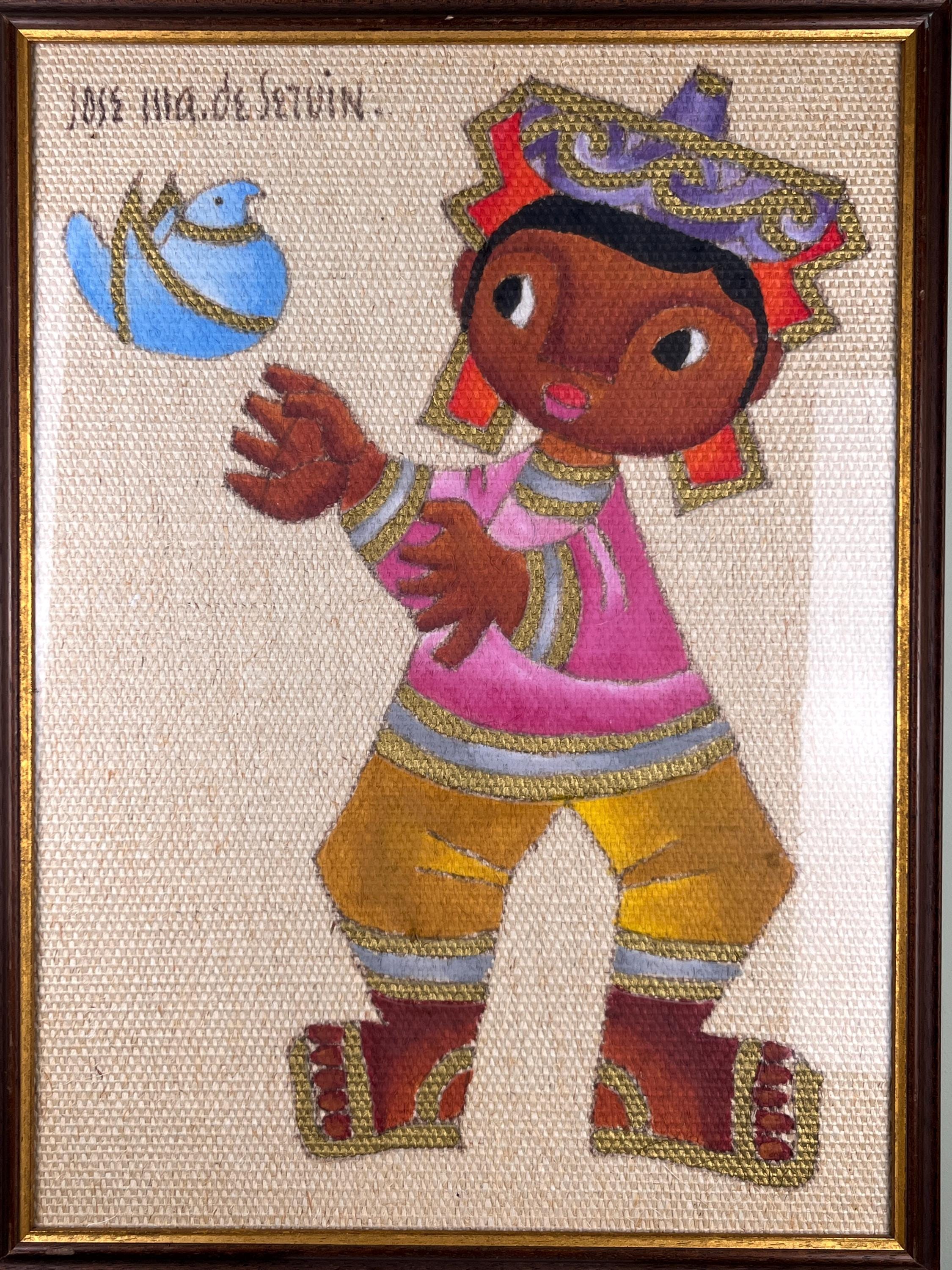
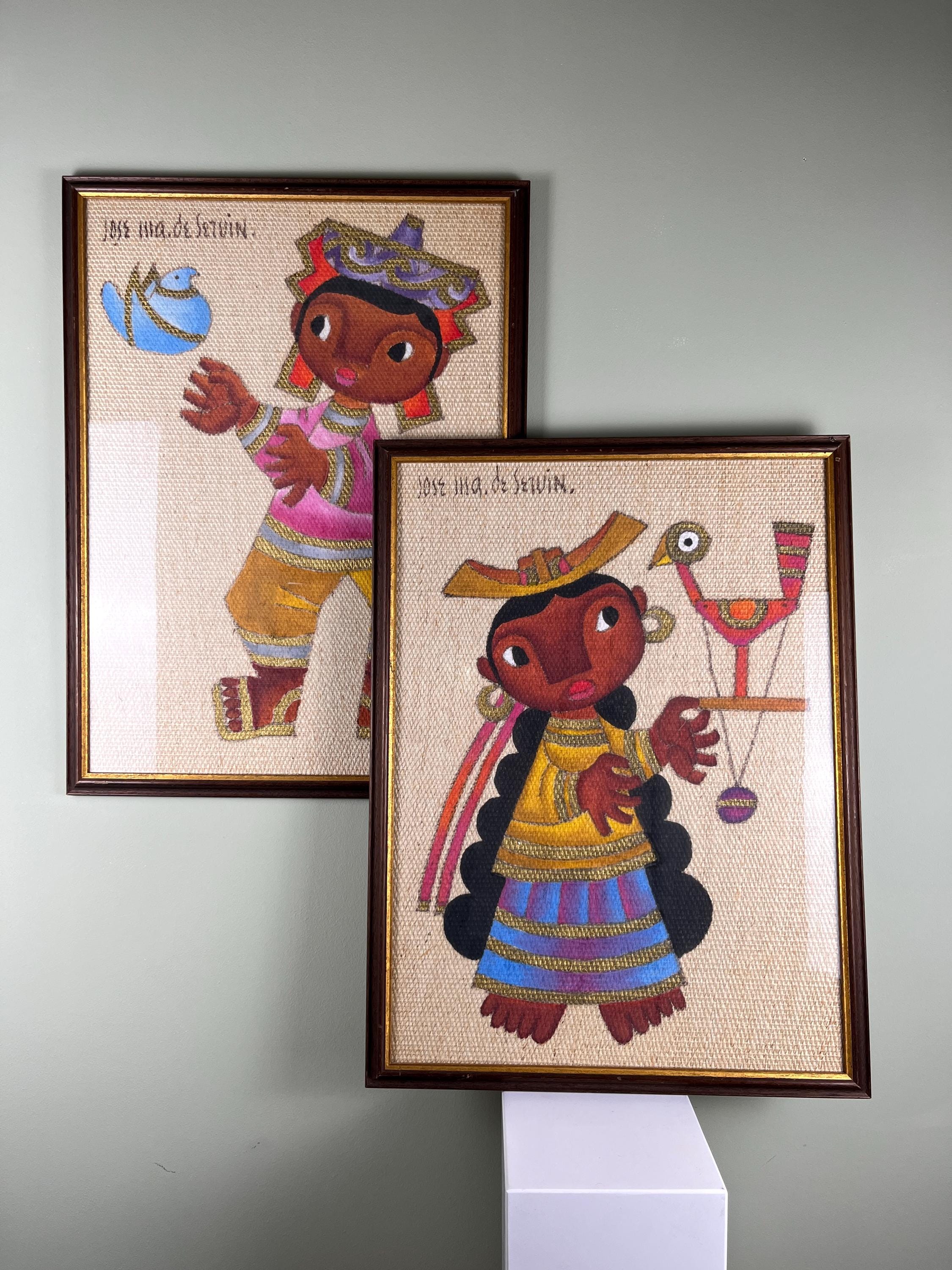
José Maria DE SERVIN (1917-1983) I Mexican Folk Art oil painting on burlap - Vintage Mexican Folk Art 60s oil on burlap - signed
$562.26
-
DetailsJosé Maria DE SERVIN (1917-1983) I Folk Art Mexican Girl oil painting on burlap - Vintage Mexican Folk Art 60s oil on burlap
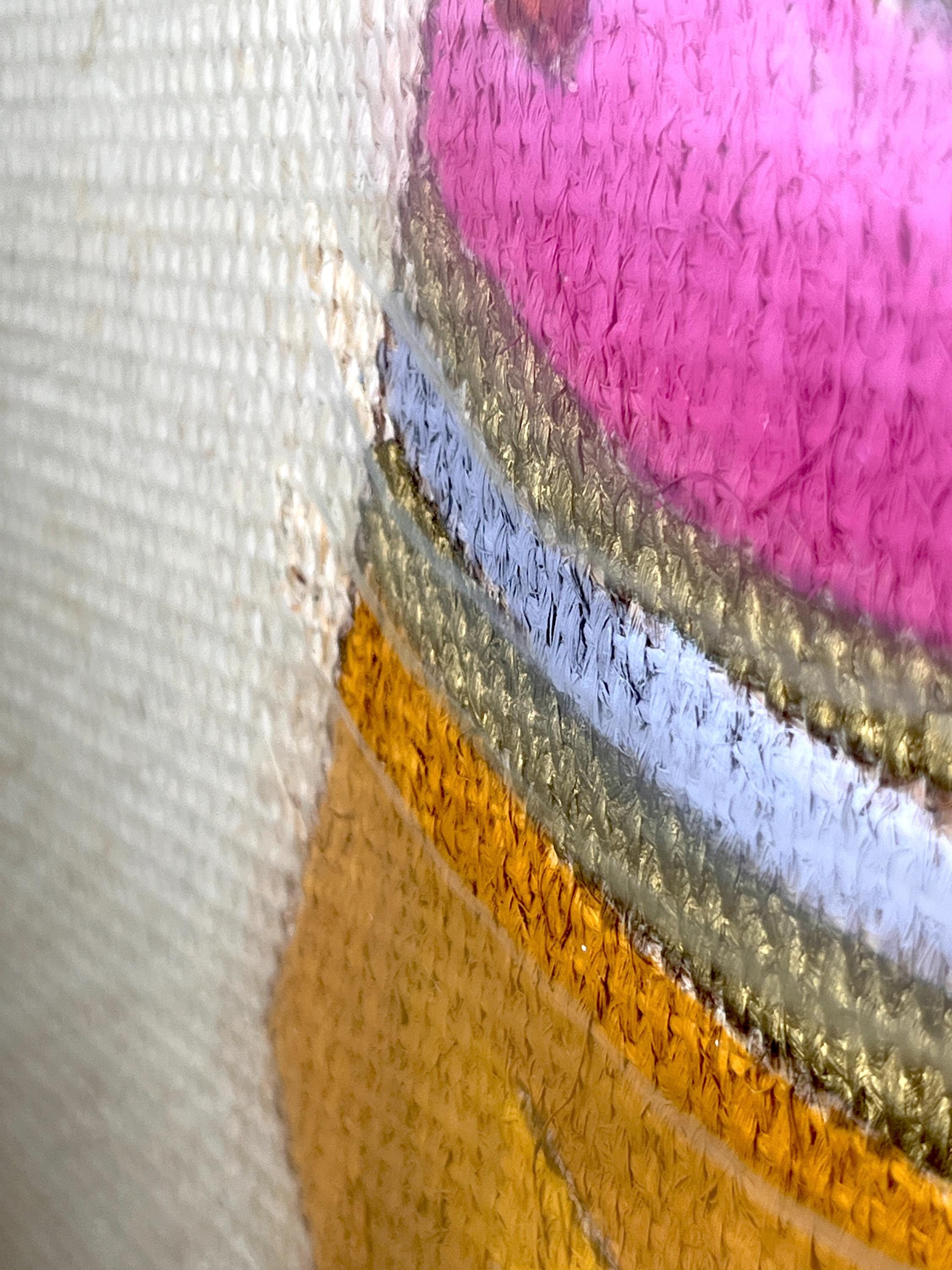
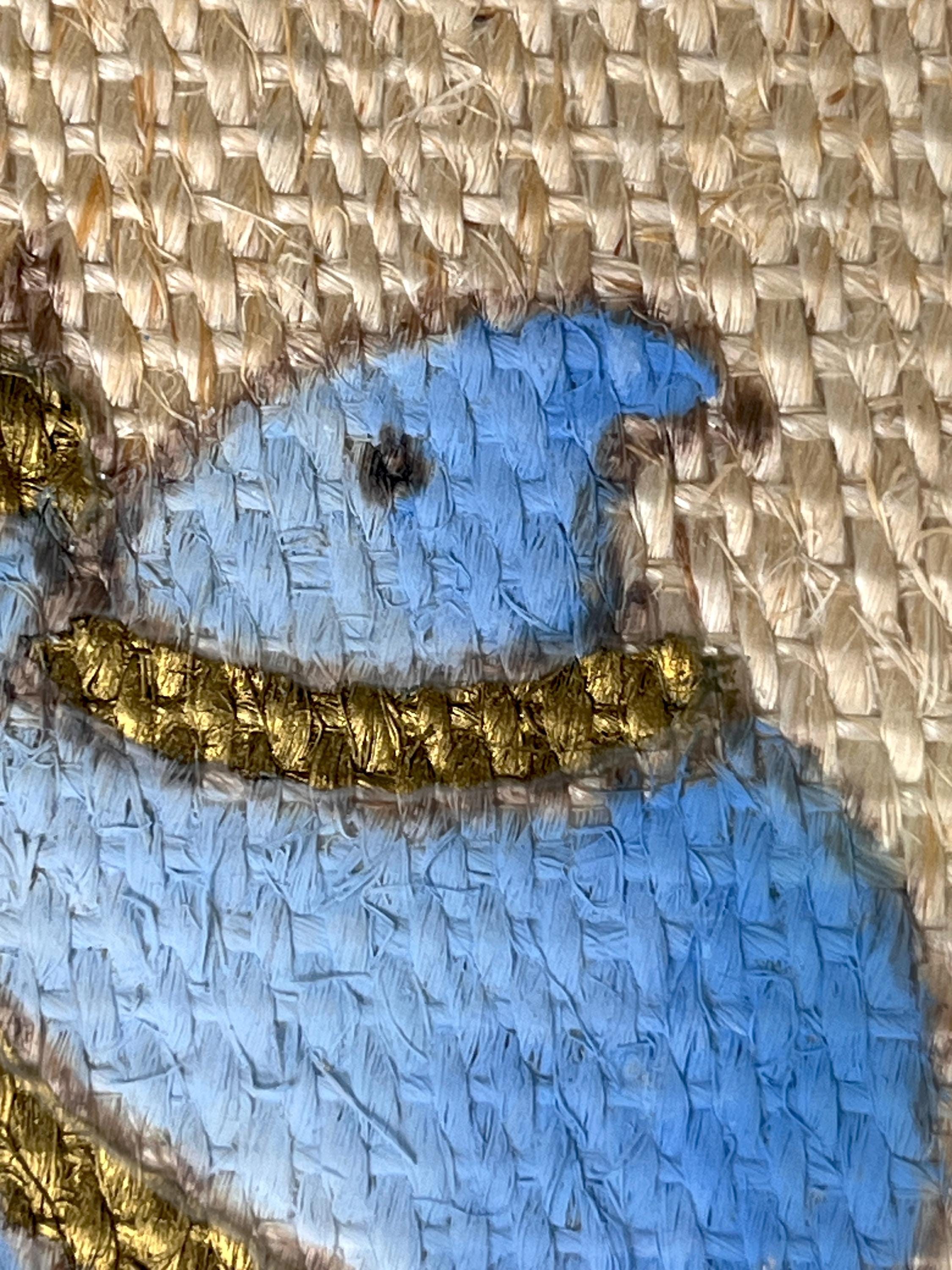
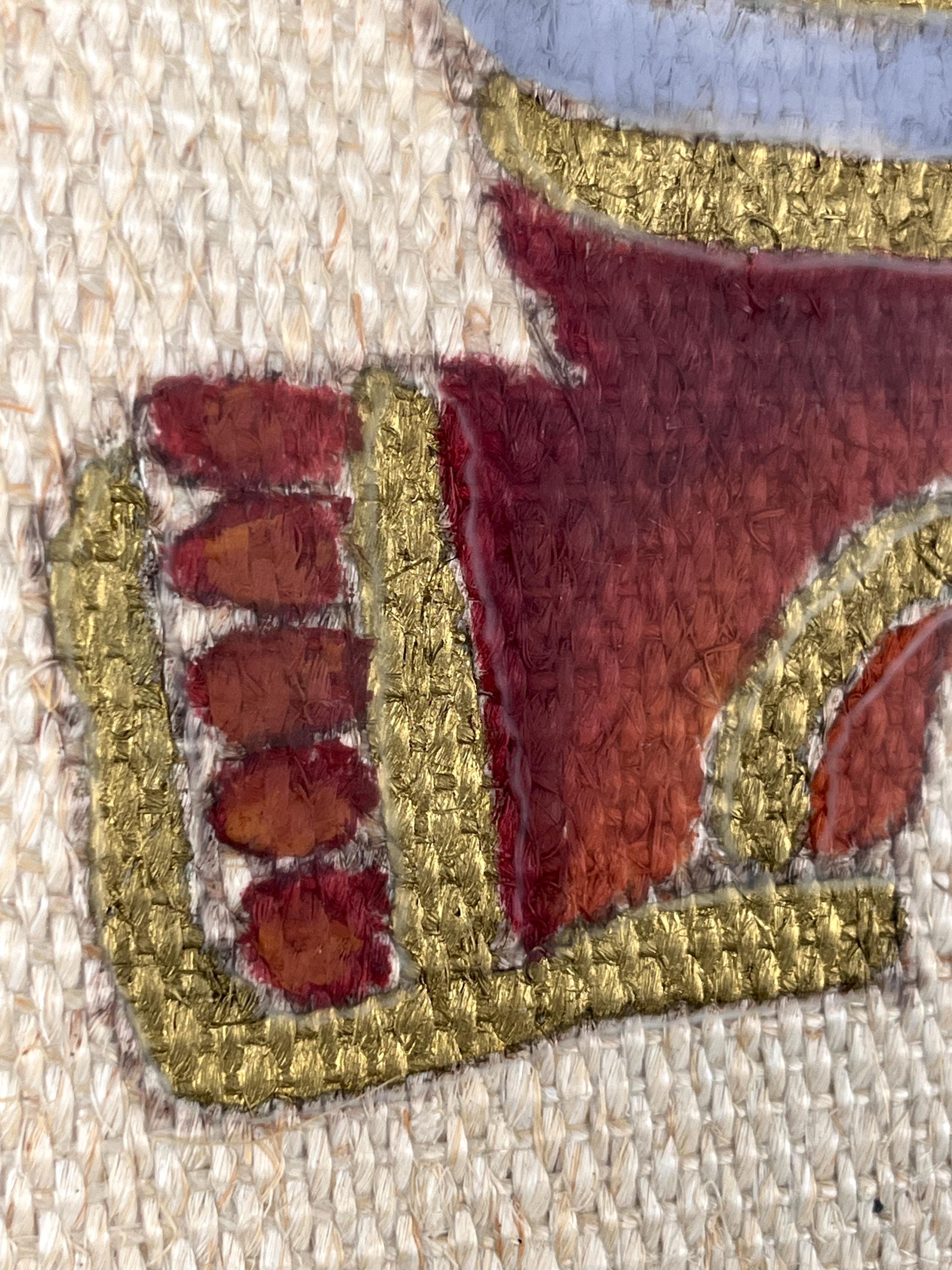
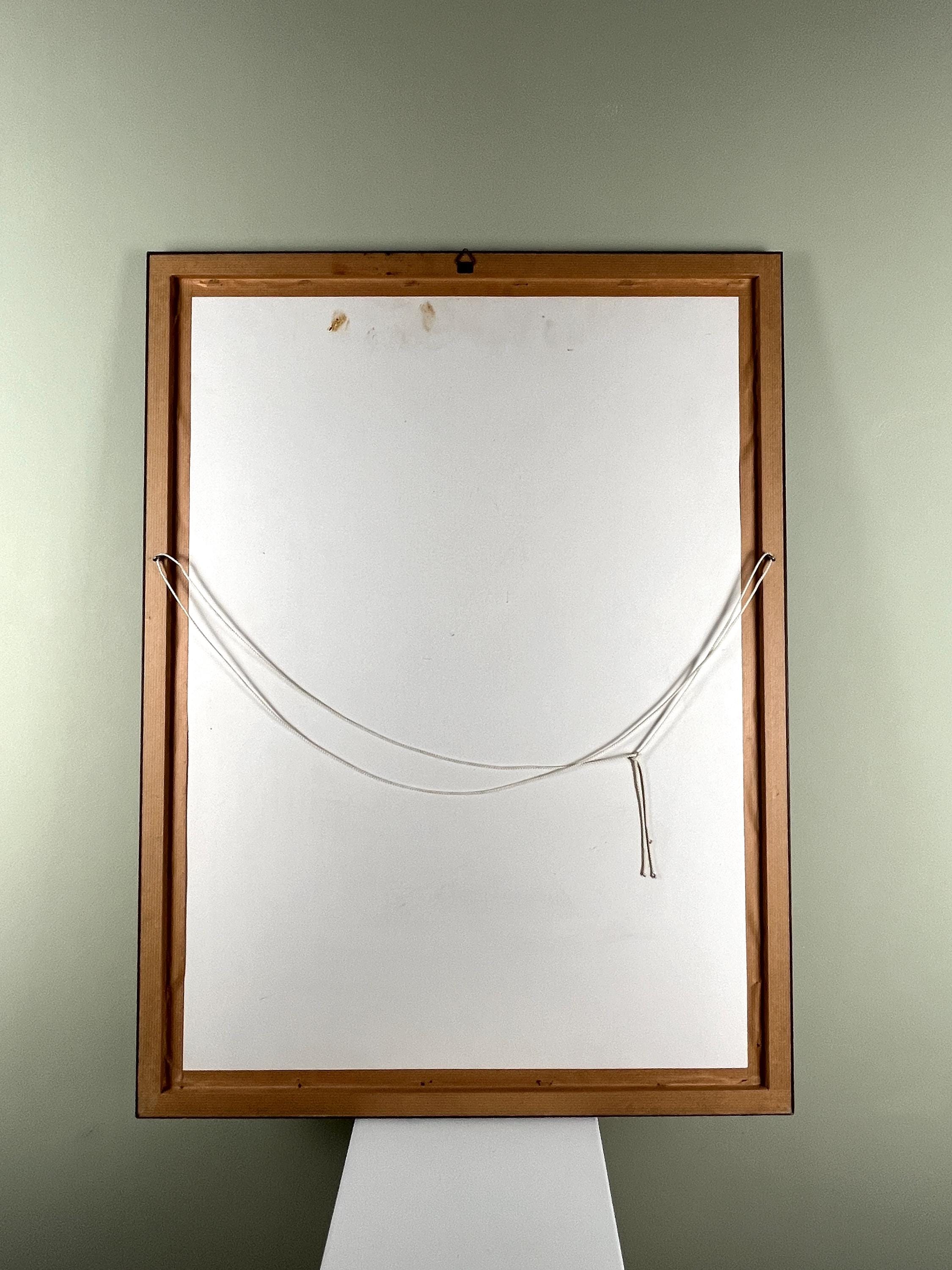
Material: Oil on burlap framed behind glass.
The glass with cutouts in the picture is designed in such a way that the figures are even more three-dimensional - see picture 3
Dimensions: 54 x 71 cm
Condition: very good used condition
José Maria DE SERVIN (1917-1983)
When he was still a toddler, the de Servin family moved with him to Guadalajara. His brothers Antonio and Miguel also became artists, and in later years they worked together. As a teenager, de Servin studied at one of Mexico's plein air painting schools.
Later, de Servin became a student of the painter Chucho Reyes, who was known for his improvised watercolor variations on traditional Mexican themes. This interest in Mexican imagery was of great importance to de Servin. De Servin also studied with the more traditional painter Jose Vizcarra. In the early 1930s, de Servin joined the Pintores Jovenes de Jalisco, the Young Painters of Jalisco.
A key influence for de Servin was Pablo Picasso. One of the founders of Cubism, the Spanish painter soon broke away from its quasi-scientific and optical basis and created lively and humorous geometric abstractions. It was this personal and decorative Cubism that de Servin adopted. His first Cubist works are modeled on Picasso, while in the second phase of his career his works become smoother and more polished, with an emphasis on soft surface textures.
After these cautious years, however, a rough boldness sets in, along with dominant colors of earth and sand. Modernists like de Servin were interested in exploring what they considered primitive artistic styles. The use of native elements and subjects is consistent with the tenets of modernism, as is the use of non-traditional materials. De Servin's portraits of peasants, depicted wide-eyed and simply, are reminiscent of children's drawings. The rough linen ground contrasts with the playful imagery and delicate color palette. The figures, all children or childlike adults, are composed of harmoniously arranged curves and simple forms. De Servin's Cubism is free of grotesqueness and celebrates the simplicity of his subjects.
De Servin collaborated with social realist Jose Orozco on several large murals in Guadalajara, including the Palace of the Legislature. Although their styles were different, both used Mexican symbolism to glorify the common people. A sought-after muralist, de Servin transferred the colorfulness and lovable characters of his panels to his large-scale works.
For 15 years, de Servin taught summer art courses at the University of Arizona. His career has been marked by numerous solo exhibitions, both in North America and Europe. In recent years, his distinctive style has received increasing attention from critics and audiences. -
Shipping & Policies
Related Products